
Bends without cracking
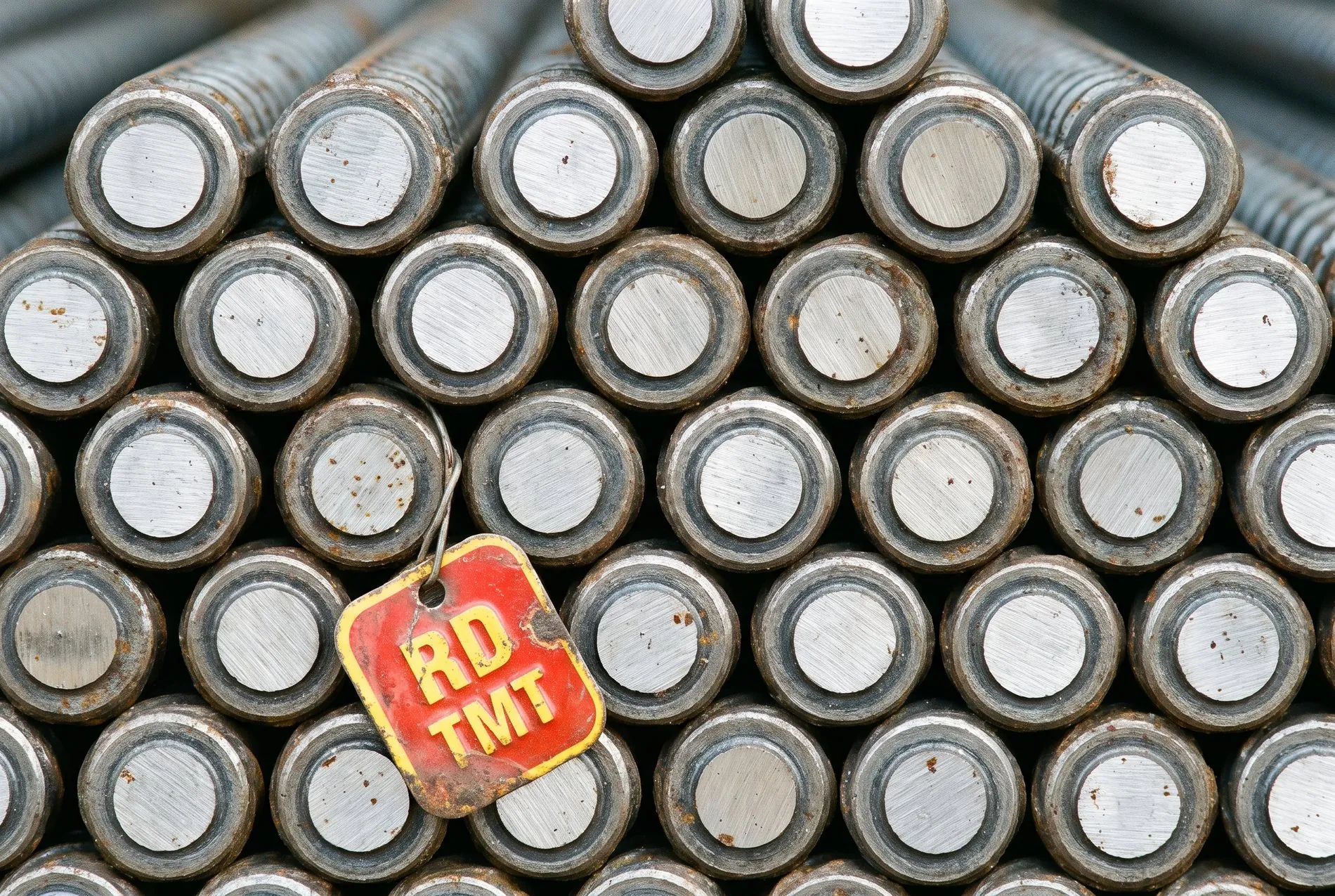
The soft ferrite-pearlite core takes the bend while the hard rim carries the load, so 8-32mm bars pass the IS 1786 bend and rebend test at site radii.
RD TMTExtra Grip Super ShaktiGet a quote →
RD TMTExtra Grip Super Shakti
IS 1786:2008 TMT rebars in four grades from 8 to 32mm, and hot-rolled MS billets from our own continuous caster. Every tonne leaves the plant with the test values that back it.
Thermo-mechanically treated reinforcement bar, rolled on German TEMPCORE lines. A water ring quenches the surface into hard martensite; the heat still in the middle then tempers that rim from the inside while the core stays ductile. One bar, two behaviours: strength on the outside, give in the middle.


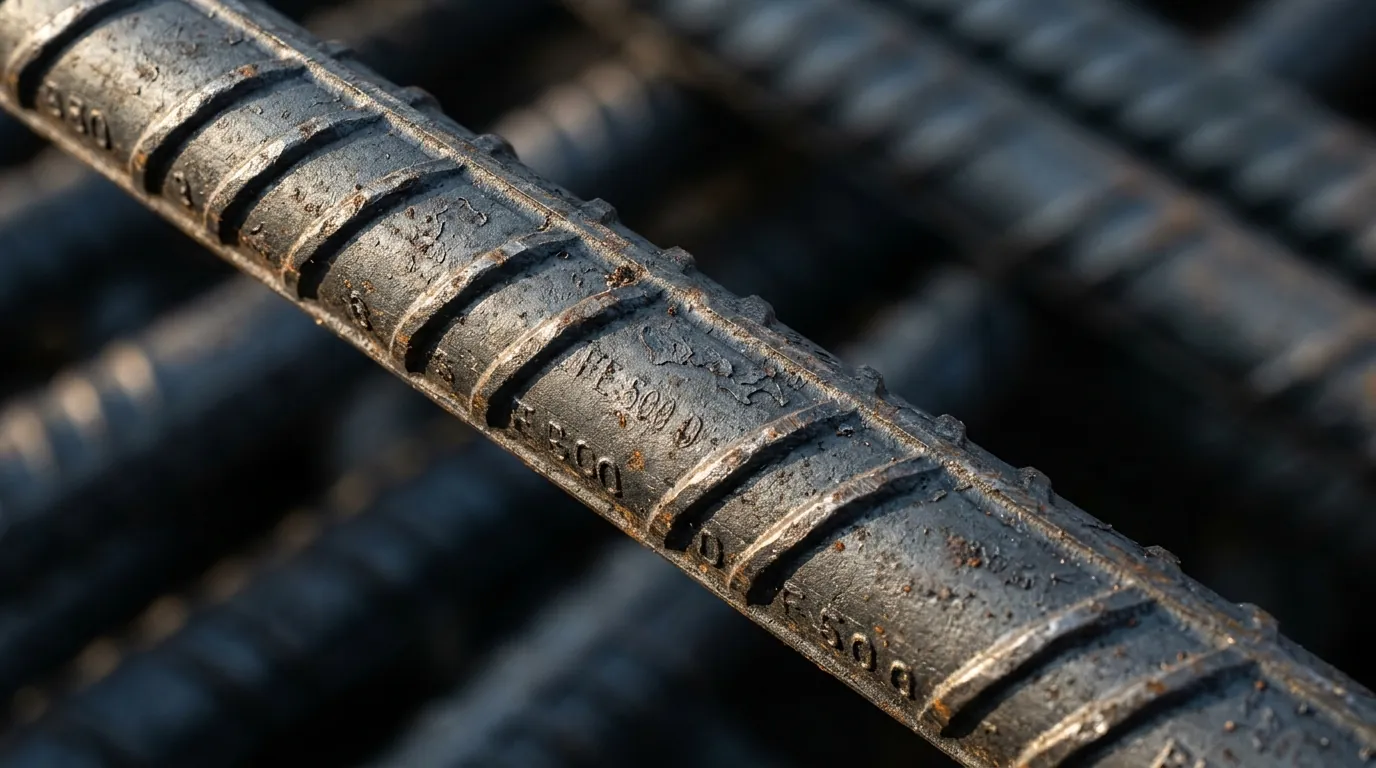
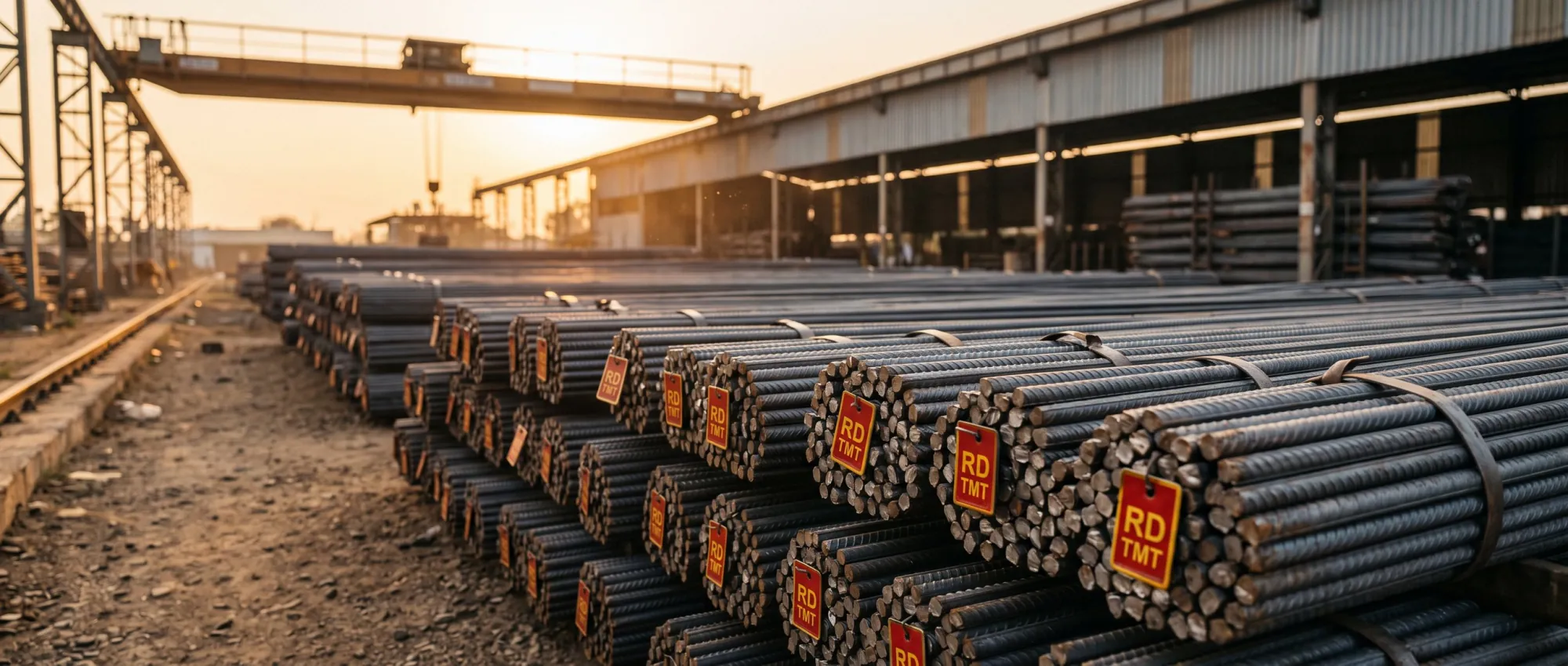
The roll itself cuts RD TMT and the grade into the steel between the ribs, so a site engineer can identify the bar in the cage months after the tag came off the bundle. It is the cheapest quality control there is: nothing about the bar can be swapped without the marking going with it.
Six things a structural consultant checks before signing off a rebar supplier — and what RD TMT’s process does about each.
The soft ferrite-pearlite core takes the bend while the hard rim carries the load, so 8-32mm bars pass the IS 1786 bend and rebend test at site radii.
D-grade elongation of 16% (Fe 500D) gives a frame somewhere to go before it fails, which is exactly what ductile detailing in a seismic zone is asking for.
Low sulphur and phosphorus plus a dense tempered-martensite rim slow the pitting that starts rebar corrosion inside concrete.
Carbon equivalent is held low enough that lap and butt welds can be made on site without pre-heating the bar first.
TEMPCORE bars retain a far greater share of their yield strength at 300-600°C than cold-twisted deformed bar, which buys evacuation time.
The rib pattern is rolled to a uniform pitch and height, so bond strength is the same on the first bar of a heat and the last.
“D” grades carry tighter chemistry limits and higher minimum elongation. Specify them wherever ductile detailing or seismic performance matters.
Higher elongation and tighter chemistry for ductile detailing. It is the grade structural consultants ask for in seismic zones.
| Grade | Yield min | Elongation min | UTS/YS | Typical use |
|---|---|---|---|---|
| Fe 500 | 500 N/mm² | 12% | ≥ 1.08 | General RCC structures |
| Fe 500D | 500 N/mm² | 16% | ≥ 1.10 | Seismic zones, ductile detailing |
| Fe 550 | 550 N/mm² | 10% | ≥ 1.06 | High-rise, heavy load |
| Fe 550D | 550 N/mm² | 14.5% | ≥ 1.08 | High-rise + seismic ductility |
Sections drawn to relative scale, with the nominal mass per metre from IS 1786 Table 1 — the number a bar-bending schedule is priced on.

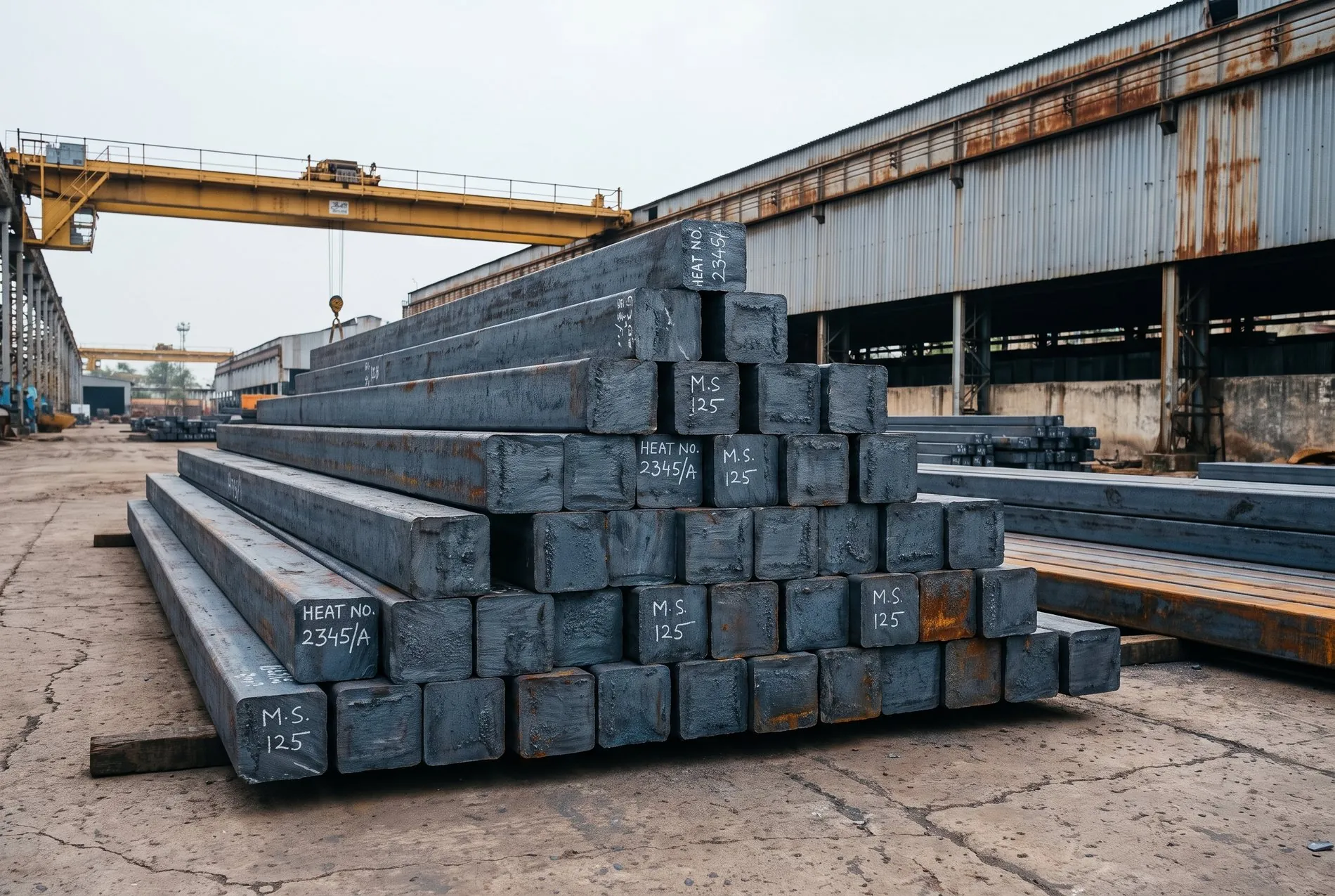
100% hot-rolled mild-steel billets, continuously cast from DRI-based induction melting: purer input iron, cleaner chemistry, and dimensionally precise sections that behave predictably on someone else’s re-rolling mill.


Grade, diameter mix, tonnage and delivery window are all the sales desk needs to quote.

Hi 👋 Need rates, sizes or a delivery date? Message us on WhatsApp and we reply within one business day.
Chat on WhatsApp+91 63649 63636