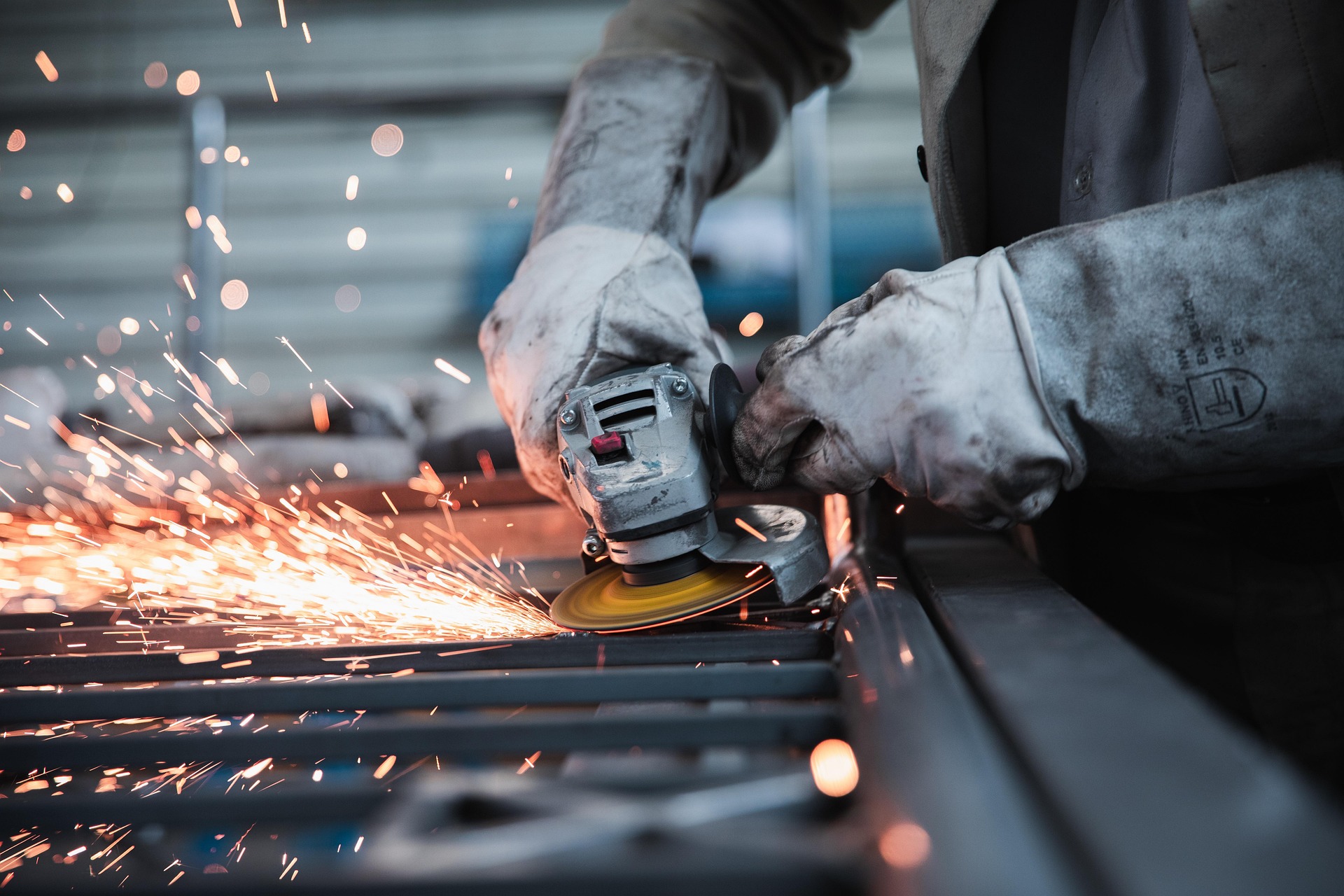

Steel is not simply a material — it is a craft, perfected over centuries and accelerated by science. Understanding how it is made illuminates not only the complexity of modern manufacturing but also why the quality of the source matters so profoundly in every application downstream.
Stage One: Sourcing and Preparing Raw Materials
The steelmaking process begins long before the furnace is lit. Iron ore — typically in the form of hematite or magnetite — is mined, crushed, and concentrated into pellets or sinter suitable for the furnace. Simultaneously, metallurgical coal is converted into coke, a high-carbon fuel that will both power the blast furnace and contribute carbon to the iron chemistry.
The quality of raw materials is not negotiable. At RDTMT Steel, every batch of ore is tested for iron content, phosphorus levels, and impurity profiles before it enters the process chain. This upstream discipline is what enables consistent, high-grade output downstream.
Cold Rolling and Surface Finishing
For applications requiring tight dimensional tolerances, superior surface finish, or specific hardness profiles, hot-rolled coils are further processed in cold rolling mills. Cold reduction — typically at room temperature — increases strength through work hardening and achieves thicknesses impossible with hot rolling alone.
Surface treatment closes the loop: galvanising creates a zinc-iron alloy barrier against corrosion; electrolytic tinning protects packaging steel; colour coating lines apply polymer films for construction and appliance applications. Each surface treatment is engineered precisely for the end use environment.
Quality Control: The Invisible Ingredient
What separates ordinary steel from exceptional steel is an invisible ingredient: relentless quality discipline. At RDTMT Steel, samples are drawn at every critical process stage and analysed in our on-site metallurgical laboratory. Optical emission spectrometers verify chemistry; tensile and impact test machines verify mechanical properties; ultrasonic scanners detect internal defects invisible to the eye.
This is steel as it should be made — not as a commodity, but as a precision product, engineered to perform under every condition it will encounter in service.