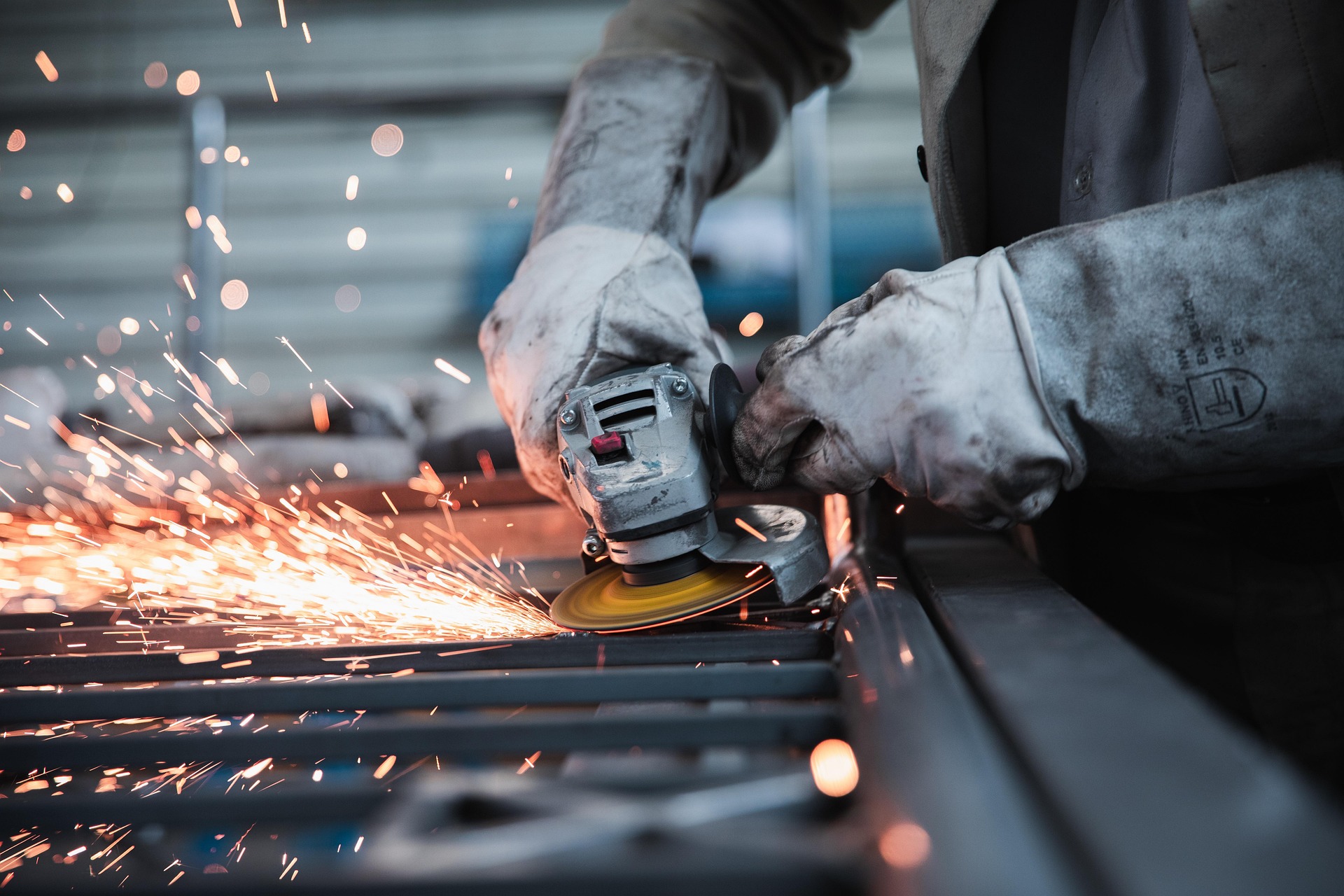

For decades, the steel industry's environmental footprint was accepted as the price of civilisation. But a quiet revolution is underway. Driven by regulatory pressure, investor expectations, and a genuine industry commitment to a net-zero future, steel manufacturers worldwide are investing in technologies that will fundamentally transform how steel is made.
The Four Pillars of Green Steel
Electric Arc Furnace & Scrap Recycling
The shift from blast furnace ironmaking to electric arc furnace (EAF) steelmaking is the single largest lever for reducing the industry's carbon footprint. EAF plants melt recycled scrap steel using electricity — when that electricity comes from renewable sources, the carbon intensity of the steel can be reduced by over 60% compared to the conventional blast furnace route. This is not a future technology: it accounts for approximately 30% of global steel production today, and the share is growing rapidly.
Green Hydrogen Direct Reduction
The most transformative technology on the horizon is hydrogen-based direct reduced iron (H-DRI). Rather than using coke to strip oxygen from iron ore — which produces CO₂ — green hydrogen reacts with the ore to produce water vapour as its only by-product. The resulting sponge iron feeds an EAF to make steel with near-zero carbon emissions. Pilot plants are operating in Sweden, Germany, and South Korea, with commercial scale production planned before 2030.
Renewable Energy Integration
Steel plants are among the most energy-intensive industrial facilities on Earth. Decarbonising their power supply is therefore a priority. RDTMT Steel is investing in on-site solar generation, long-term Power Purchase Agreements (PPAs) with renewable energy providers, and participation in demand-response programmes that allow our operations to flex with renewable energy availability. Our goal is to achieve 100% renewable electricity procurement by 2030.
Circular Economy & Closed-Loop Manufacturing
True sustainability is not simply about cleaner production — it is about redesigning the entire material flow. Circular economy principles require that steel is designed for longevity, collected at end-of-life, segregated by grade, and remelted with minimal quality loss. At RDTMT Steel, we work with customers to establish take-back programmes, advise on design-for-disassembly in structural applications, and maximise the proportion of our own process waste that is recaptured and reused — including mill scale, slag, and process gases.
Our Roadmap to Net Zero
100% Renewable Electricity Procurement
Completion of PPAs and on-site solar investment to eliminate scope 2 emissions from our electricity supply across all manufacturing sites.
EAF Capacity Expansion
Commissioning of a new 1.2 million tonne per annum electric arc furnace to increase scrap-based production to 65% of total output.
50% CO₂ Intensity Reduction vs 2020 Baseline
Achieving a halving of CO₂ per tonne of steel through the combined effect of EAF expansion, renewable energy, and process efficiency improvements.
Hydrogen DRI Pilot Commercialisation
Transition of first blast furnace to hydrogen direct reduction, in partnership with green hydrogen infrastructure developers.
Net Zero Steel Manufacturing
Full decarbonisation of all production routes, with residual emissions offset by verified carbon removal — delivering genuinely net-zero steel to every customer.
Why It Matters for Our Customers
The customers who specify RDTMT Steel are themselves under growing pressure to demonstrate the sustainability of their supply chains. Construction companies are submitting to green building certifications that require embodied carbon declarations. Automotive manufacturers are committing to scope 3 emissions targets that include the steel in their vehicles. Infrastructure clients are demanding Environmental Product Declarations (EPDs) for the steel that goes into their projects.
Our investment in sustainable steel manufacturing is therefore an investment in your competitive advantage. When you specify RDTMT Steel, you receive not only exceptional mechanical performance — you receive the documentation, certifications, and carbon data you need to meet your own sustainability commitments with confidence.
The future is green. And it is made of steel.